 Skip to content


Vaccine Refrigerator Calibration Certificate: What Should Clinics Check?
A calibration certificate can be useful when a new vaccine refrigerator arrives, but it is only one part of a reliable cold-chain program. Before filing it away, a pharmacy or clinic should confirm what was tested, which device the document covers, and how its results connect to the temperature monitor used every day.
First, identify what the certificate covers
Read the document’s title and equipment identifiers. Does it describe the refrigerator, its built-in display, an independent thermometer, or a probe? Match the model and serial number on the document to the item in your clinic. If the certificate does not make the scope clear, ask the supplier to explain it. A certificate for a refrigerator should not be assumed to certify every separate monitoring device used with it.
Check the measurements and the date
Look for the test date, the temperature points tested, the measured results, and any stated tolerance or uncertainty. Confirm that the document covers the temperatures relevant to the products you plan to store. The Canadian Immunization Guide says thermometer calibration for vaccine storage should be accurate within ±0.5°C (±1°F). If the certificate reports a different value or does not identify the monitored sensor, clarify that before relying on it for your procedure.
Separate a one-time check from ongoing monitoring
A dated test result describes performance at the time of testing. It does not replace the clinic’s temperature log, alarm response, or routine device checks. The Public Health Agency of Canada’s national vaccine storage and handling guidelines explain the role of minimum/maximum thermometers and data loggers, and recommend checking thermometer function every six months to a year. Follow the current instructions from your provincial or territorial program as well; local requirements can be more specific.
Make the records easy to use
- Keep the certificate with the refrigerator’s model, serial number, installation date, and service records.
- Record the make, serial number, and calibration or accuracy information for the independent temperature monitor.
- Document where the monitoring probe is placed and who reviews the temperature record.
- Set a reminder for the next accuracy or function check under your equipment procedure and local guidance.
- Keep an escalation plan for an out-of-range reading, a failed alarm, or a monitor that may be inaccurate.
The national guidelines advise placing the sensing device near the centre of the storage compartment, away from walls, coils, the door, floor, and fan, while allowing air to circulate. A well-documented certificate is most useful when the monitor is installed and used correctly.
Questions to ask before buying or commissioning
Ask the supplier: What exactly is calibrated? Which serial number appears on the certificate? Are the results for the refrigerator, the monitoring probe, or both? What separate thermometer or data logger will the clinic use? What maintenance and follow-up checks are recommended? These questions make it easier to compare equipment and prepare staff procedures before inventory is placed in the unit.
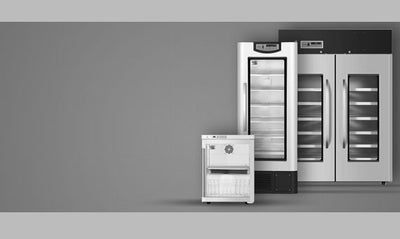
Explore 360 Medical’s medical and pharmacy refrigerators and temperature-monitoring accessories. Confirm the storage requirements for each vaccine from its product information and your local immunization program before selecting equipment or setting alarms.



Leave a comment