 Skip to content


What Counts as a Compromised Dose After an Unplanned Power Cut?

Key Takeaways
-
Maintaining the pharmaceutical cold chain between +2°C and +8°C is mandatory across Canadian healthcare facilities to preserve drug efficacy and stability.
-
An unplanned electrical disruption does not automatically mean every stored pharmaceutical product must be discarded immediately.
-
A dose is considered compromised when cumulative heat or freezing causes active ingredients to denature, aggregate, or lose therapeutic potency.
-
Visual inspection cannot detect molecular degradation, meaning clear liquid solutions might still be biologically inert or unsafe.
-
Digital data loggers with buffered temperature probes provide the primary evidence needed to evaluate any pharmacy temperature excursion.
-
Inventory exposed to an outage must be quarantined inside monitored storage while staff consult manufacturer stability data and public health protocols.
-
Medical-grade refrigerators, automated alert systems, and secondary battery backups protect clinics against catastrophic inventory losses.
An unplanned power cut creates immediate operational hazards for clinics, pharmacies, and hospitals that manage temperature-sensitive pharmaceuticals. Refrigerated medications, vaccines, and biologics depend on strict temperature environments to maintain their chemical structure and therapeutic value. When electrical supply fails, internal cabinet temperatures begin to rise toward room ambient levels.
Determining what constitutes a compromised dose requires systematic assessment rather than hasty disposal or unverified administration. Healthcare professionals must understand how temperature changes alter drug safety, potency, and sterility. Establishing clear verification procedures protects patient health while preventing the unnecessary loss of expensive clinical inventory.
What Happens to Refrigerated Medication During a Power Outage?
Refrigerated pharmaceuticals rely on mechanical cooling systems to remain within tightly defined thermal limits. When power terminates without notice, several environmental and chemical changes occur inside the storage chamber.
-
Loss of active climate regulation: Power termination halts the compressor and internal circulation fans. Without active heat exchange, the ambient warmth outside the cabinet begins penetrating the insulated walls, causing an immediate upward drift in internal air temperature away from the mandatory +2°C to +8°C baseline.
-
Protein denaturation and structural degradation: Biologics and vaccines consist of complex protein structures that unfold when exposed to elevated temperatures. This unfolding, known as denaturation, breaks down tertiary protein bonds and permanently neutralizes the drug's therapeutic capability without showing visible exterior signs of decay.
-
Accelerated chemical hydrolysis: Warmer storage conditions accelerate normal chemical breakdown pathways. Suspensions and solutions experience rapid hydrolytic decomposition, which shortens their shelf life and reduces active pharmaceutical ingredient concentrations far ahead of the official printed expiry dates on packaging vials.
-
Unintended freezing from air stratifications: In passive warming cycles or erratic compressor restarts, internal cabinet air can stratify unevenly. Cold air pooling at the bottom of standard consumer units can inadvertently drop temperatures below 0°C, freezing sensitive adjuvants and ruining product efficacy.
What Are the Immediate Signs of a Compromised Dose?
Physical alterations can confirm product damage, though their absence does not guarantee stability. Clinical teams should inspect products for specific physical markers during cold chain investigations.
-
Visual precipitation and cloudiness: Clear liquid formulations, such as regular insulin or monoclonal antibodies, should never contain unexpected cloudiness or floating particulate matter. According to Canadian healthcare guidance, uncharacteristic haze or solid precipitation indicates severe molecular aggregation caused by thermal stress or improper storage conditions.
-
Colour shifts and solution darkening: Thermal breakdown frequently produces colour changes across liquid pharmaceuticals. Exposure to heat causes oxidation in susceptible compounds, transforming clear or straw-coloured liquids into deep yellow, pink, or brownish solutions that must never be administered to patients under any clinical circumstance.
-
Emulsion separation and clumping: Complex suspensions, including adjuvanted vaccines, rely on uniform particle distribution. Severe temperature disruptions cause these mixtures to separate into distinct liquid layers, aggregate into stubborn clumps, or form granular flakes that do not resuspend after gentle inverted shaking.
-
Damaged container seals and rubber stoppers: Extreme temperature changes alter air pressure inside glass vials and ampoules. Rubber septums may bulge outwards, crack, or recede inward, while crimped aluminium collars can loosen, introducing microscopic pathways for atmospheric microbial contamination into previously sterile parenteral medication chambers.
4 Specific Medication Categories Most Vulnerable to Heat
Certain pharmacological classes demonstrate extreme vulnerability to warmth and require urgent evaluation during an unplanned cold chain break.
-
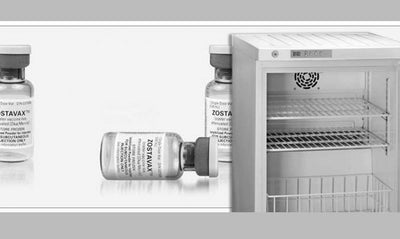
Vaccines and immunological biologics: According to the Public Health Agency of Canada (PHAC) in its National Vaccine Storage and Handling Guidelines, vaccines exposed to temperatures above the recommended range experience irreversible potency loss through protein breakdown. Adjuvanted formulations also fail permanently if post-outage thermal cycling subjects them to sub-zero temperatures.
-
Insulin and glucagon preparations: Insulin peptides possess fragile chemical bonds that disintegrate quickly when exposed to sustained room temperatures or direct heat. Degraded insulin loses its glycemic-lowering potency unpredictably, exposing diabetic patients to acute hyperglycaemia, diabetic ketoacidosis, and long-term metabolic instability following the administration of unverified doses.
-
Compounded sterile injectables and eye drops: Preservative-free ophthalmic drops and custom intravenous infusions lack the chemical stabilizers found in mass-manufactured pharmaceuticals. Thermal spikes compromise their chemical integrity and create hospitable conditions for accelerated bacterial and fungal proliferation, turning sterile compounds into severe systemic infection hazards.
-
Reconstituted oral liquid antibiotics: Antibiotic suspensions, such as amoxicillin-clavulanate, degrade rapidly once mixed with sterile water. Elevated ambient temperatures accelerate the destruction of the beta-lactam ring, reducing the medication's antimicrobial strength, resulting in treatment failures and fostering clinical antibiotic resistance in vulnerable paediatric patients.
Which Tools Determine if an Excursion Actually Occurred?

Health Canada and provincial regulatory authorities require verified evidence to assess cold chain breaches rather than human estimations. Modern facilities deploy purpose-built equipment to measure thermal exposures.
-
Calibrated continuous digital data loggers: Digital data loggers record temperature intervals continuously. The Public Health Agency of Canada mandates data loggers with traceable certificates of calibration to verify minimum, maximum, and ambient temperatures precisely throughout any power disruption window.
-
Buffered temperature probes: Unbuffered air probes register misleading air-temperature fluctuations whenever cabinet doors open briefly. Probes immersed in glycol bottles, glass beads, or Teflon blocks mirror actual liquid drug temperatures, providing an accurate record of the pharmaceutical product's true thermal status.
-
Chemical threshold and irreversible indicators: Visual phase-change tags mounted directly on packaging change colour when exposed to temperatures outside defined parameters. These irreversible chemical indicators demonstrate whether a specific carton exceeded safety thresholds, offering single-unit verification when centralized data logger readings remain unavailable or ambiguous.
-
Cloud-connected automated monitoring systems: Advanced wireless sensors monitor cold storage conditions continuously, transmitting live status updates through cellular channels. These systems automatically log the exact start time, peak temperature, duration, and resolution time of an electrical failure for external audit compliance.
4 Steps to Take Before You Discard Any Medication
Prematurely dumping medications costs facilities thousands of dollars unnecessarily, while improper record-keeping violates public health regulations. Follow this sequence immediately after electrical power returns.
-
Keep cabinet doors closed: Do not open refrigerator doors during an electrical outage unless immediate stock relocation is strictly required. Medical-grade units can hold acceptable internal temperatures for several hours when sealed shut, preserving cold air and slowing ambient warming significantly.
-
Quarantine all affected pharmaceutical stock: Once power returns, keep the affected stock inside the unit or transfer it to an operational cold unit. Clearly label every package with "Quarantined – Do Not Use" to prevent accidental administration while investigations proceed.
-
Extract and analyze data logger records: Download all recorded readings from your continuous data logger. Identify the exact duration of the excursion, the maximum temperature reached, and the total cumulative hours spent outside the mandatory +2°C to +8°C window.
-
Submit data to public health or manufacturers: Contact the appropriate provincial public health office or individual pharmaceutical manufacturers with your temperature telemetry. Manufacturer stability databases determine whether specific lot numbers can safely remain in circulation or require formal disposal.
How Can Clinics and Pharmacies Prevent Future Outage Losses?
Proactive infrastructure planning eliminates the operational and financial chaos caused by sudden power disruptions. Healthcare facilities must install robust systems to defend vulnerable inventories.
-
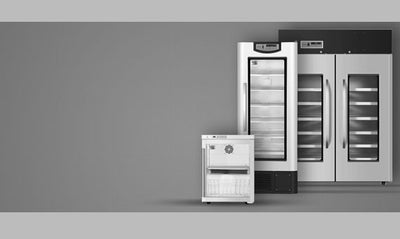
Invest in medical-grade refrigeration units: Domestic household refrigerators suffer from severe thermal fluctuations, poor insulation, and uneven cold air distribution. Purpose-built medical refrigerators feature heavy-duty insulation, forced-air circulation fans, and tight microprocessor controllers that maintain stability during short power dips.
-
Install battery backup power systems: Dedicated uninterruptible power supply (UPS) units or medical-grade battery backups supply continuous electrical power during grid blackouts. These systems switch on instantly without manual intervention, maintaining active cooling cycles until primary electrical utilities restore service to the building.
-
Set up automated remote notification alerts: Outages happening overnight or over holiday weekends often go unnoticed until stock is ruined. Automated monitoring systems send instant SMS, telephone, and email alerts to designated cold chain coordinators the moment temperatures drift toward alarm limits.
-
Maintain active emergency transfer protocols: Establish written standard operating procedures for emergency inventory relocation. Keep validated insulated transport coolers, conditioned ice packs, and bubble wrap barriers on site, ensuring staff can move critical medications to alternate certified facilities rapidly.

Handling an unplanned power outage requires objective data, strict adherence to Canadian storage protocols, and disciplined clinical decision-making. A dose becomes compromised when unmonitored thermal exposure degrades its active chemical components, regardless of whether the vial shows obvious physical changes. By preserving the physical cold chain seal, extracting precise data logger telemetry, and isolating suspect stock under quarantine, medical staff protect patient safety and prevent needless waste. Upgrading your storage infrastructure remains the definitive strategy to defend your clinical inventory against unexpected electrical blackouts.
Securing your cold chain requires dependable medical refrigeration equipment and verified temperature monitoring solutions. For industry-standard medical refrigerators, backup power systems, and expert cold chain compliance guidance tailored to your practice, consult 360 Degree Medical, contact us at 1-800-209-2082.



Leave a comment