 Skip to content


Condensation Control: Why GTA Labs Struggle with Seal Integrity

A single drop of condensation can lead to microbial growth, label degradation, or ice buildup inside a sensitive storage unit. In a laboratory setting, this moisture represents more than a nuisance; it is a direct threat to the stability of reagents and biological samples. When water ingress occurs, the internal environment of a refrigerator shifts, potentially compromising years of research or expensive inventory. Reliable moisture management in laboratories requires a constant seal that prevents outside air from mixing with the controlled internal atmosphere.
The Greater Toronto Area (GTA) presents a specific set of hurdles for facilities due to seasonal humidity shifts. Moving from humid summers to dry, heated winters creates a volatile external environment that stresses mechanical seals and gaskets. This article examines the mechanics of seal integrity and offers methods to prevent "moisture creep" in laboratory refrigerators. By understanding how local climate conditions interact with cooling technology, lab managers can ensure stable cold chain storage and protect their scientific assets from environmental degradation.
Why GTA Labs Face Unique Condensation Challenges
Facilities located within the Golden Horseshoe must contend with a climate that varies wildly throughout the calendar year. These external shifts dictate how hard a refrigeration system must work to keep the interior dry. The following factors contribute to the difficulty of maintaining ambient humidity control in Toronto-based laboratories.
- Extreme Seasonal Humidity Fluctuations
Toronto summers often see relative humidity levels exceeding 80%, while winters are notoriously dry. This cycle causes gasket materials to expand and contract repeatedly. Such physical stress creates micro-gaps in the door seal, allowing heavy, moist air to enter during the summer and causing seal material fatigue over time.
- The Urban Heat Island Effect
Large urban centres like the GTA retain more heat than rural areas, affecting the HVAC efficiency of older laboratory buildings. If the room temperature rises, the temperature differential between the lab and the fridge increases. This higher gradient forces the unit to run longer cycles, which accelerates refrigeration system wear and condensation.
- Variable Building Pressurization
Many GTA research facilities use high-intensity ventilation systems to exhaust fumes. These systems can create negative pressure zones within the lab. If the room pressure is significantly lower or higher than the internal cabinet pressure, it pulls moist air through even the smallest structural seal vulnerabilities in the equipment.
- High-Volume Sample Throughput
Active labs in the Toronto biotech corridor often require frequent door openings for sample retrieval. Each time the door opens, the dense, cold air spills out and is replaced by the humid GTA air. This constant air exchange makes condensation prevention in fridges nearly impossible without high-recovery cooling systems.
How Seal Integrity is Lost

Seal integrity is not a permanent state but a diminishing property of any cooling unit. Over time, physical and chemical changes occur that allow air to bypass the barrier. Understanding the mechanics of gasket failure is the first step toward effective maintenance.
- Loss of Gasket Elasticity
Gaskets are typically made of synthetic polymers that stay soft to create a vacuum-like seal. Exposure to cleaning chemicals and constant temperature cycles causes these polymers to harden and become brittle. A stiff gasket cannot conform to the frame, leading to compromised laboratory refrigeration seals and leaks.
- Magnetic Strip Demagnetization
Most modern lab fridges use magnetic strips inside the gasket to pull the door shut. Over years of use, these magnets can lose their pull or become misaligned due to door sagging. Without a strong magnetic connection, the door fails to compress the seal, allowing unwanted moisture ingress.
- Physical Debris Accumulation
Dust, frost, and spilled biological media often collect in the folds of the door gasket. This debris acts as a physical shim, propping the seal away from the metal frame. Even a millimetre of separation is enough to cause significant internal frost accumulation and temperature spikes.
- Frame Alignment Shifts
Laboratory floors are not always perfectly level, especially in older GTA structures. If a refrigerator is not levelled correctly during installation, the frame can twist slightly over time. This misalignment means the door no longer sits flush, creating a permanent gap for latent heat transfer to occur.
Critical Impact of Moisture on Science
Moisture is a silent contaminant that alters the physical and chemical properties of stored materials. The presence of water where it does not belong can invalidate results and ruin hardware. Maintaining dry cold storage environments is vital for several reasons.
- Microbial and Fungal Proliferation
Condensation provides the necessary water activity for mould and bacteria to grow on internal surfaces. These contaminants can find their way into open vials or onto the hands of technicians. Preventing biological sample contamination requires a strictly dry interior to inhibit the growth of these opportunistic organisms.
- Label and Barcode Degradation
Many labs rely on adhesive labels for sample tracking and inventory management. Excessive moisture causes adhesives to fail and ink to smudge, making samples unidentifiable. This loss of sample traceability can lead to the disposal of valuable research that can no longer be verified or audited.
- Integrity of Lyophilized Materials
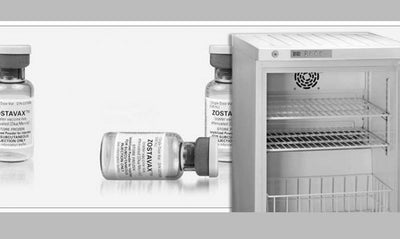
Freeze-dried powders are highly hygroscopic, meaning they greedily absorb moisture from the air. If a seal fails, the humidity inside the fridge rises, and even sealed vials can sometimes breathe in moist air. This leads to reagent degradation and reduces the shelf life of expensive chemical stocks.
- Electronic Sensor Malfunction
Modern lab fridges use sensitive thermistors and fans to maintain air circulation. Persistent condensation can lead to water dripping into the housing of these components. This causes short circuits or "ghost" readings, resulting in inaccurate temperature monitoring and potential cooling system failure during critical hours.
Best Practices for Maintaining Seal Integrity

Preventing moisture creep requires a proactive approach rather than waiting for frost to appear. Regular intervention ensures that the refrigeration door gaskets perform their job for the duration of the equipment's life. Following these steps helps maintain a stable environment.
- Scheduled Gasket Cleaning and Inspection
Wiping down seals with a mild detergent every month removes debris that prevents a tight fit. Staff should check for tears, cracks, or flattened sections during this process. Early detection of gasket wear and tear allows for inexpensive repairs before the compressor sustains damage from overworking.
- Verification of Levelling and Alignment
Using a spirit level to ensure the unit is tilted slightly backward helps the door swing shut under its own weight. This ensures the magnetic seal engages fully without manual assistance. Correct equipment levelling is a simple but effective way to prevent gaps caused by gravity and frame torque.
- Implementation of Door Alarms
Electronic sensors that trigger an alert if a door is ajar prevent accidental moisture spikes. In busy GTA labs, doors are often left slightly open by mistake. These alarms serve as a critical fail-safe to maintain hermetic seal performance and protect the internal climate.
- Dehumidification of the Laboratory Suite
Controlling the air outside the fridge is just as important as the air inside. Using building-wide HVAC or standalone dehumidifiers reduces the "moisture load" the fridge must handle. Keeping laboratory ambient humidity between 30% and 50% significantly reduces the risk of condensation during door openings.
Maintaining seal integrity in the Greater Toronto Area requires a deep understanding of how local climate shifts impact mechanical hardware. While the challenges of humidity and temperature gradients are persistent, they are manageable through regular maintenance and the use of high-quality storage solutions. Protecting scientific integrity starts with the simple act of ensuring a door closes tightly and stays that way. By focusing on the mechanics of moisture exclusion, laboratories can avoid the high costs of sample loss and equipment repair.
Equipment calibration and environmental control are important in maintaining the safety of medical products. Ensuring your facility follows these protocols will safeguard your data and your budget. For professional assistance with cold storage solutions at 360 Degree Medical, contact us at 1-800-209-2082.



Leave a comment