 Skip to content


Farm to Lab: How to Maintain Microbial Cultures in AgTech

The shift toward biological inputs marks a major change in modern farming. Microbes now serve as direct replacements for synthetic fertilizers and chemical pesticides. This transition helps restore soil health while maintaining high crop yields. Using beneficial agricultural microorganisms allows farmers to reduce their reliance on harsh additives that often harm the surrounding environment. This new era focuses on living solutions to solve old problems.
Moving these living tools from a controlled lab to a dusty field creates a stability gap. Many delicate species lose their strength or die before they ever reach the soil. Keeping these microbial inoculants alive during long storage periods and rough transport remains a difficult task for the industry. This article examines the best ways to preserve these cultures, stop contamination, and ensure high quality. Proper care ensures that the tiny organisms remain effective for the end user.
Understanding the Lifecycle: From Isolate to Field Application
Creating a successful biological product requires a deep understanding of how microbes grow and change over time. Scientists must track every stage to ensure the final product works as intended.
- Strain Selection and Screening
Researchers look for specific traits like nitrogen fixation or pest resistance in wild samples. They test these soil-borne bacteria under various stress levels to see if they can survive. Only the toughest and most effective strains move forward into the mass production phase of development.
- Fermentation and Scaling Up
Once a strain is chosen, it enters large tanks to multiply quickly. Technicians must balance oxygen, heat, and food sources to keep the population healthy. This stage turns a few small cells into trillions of active microbial units ready for processing and eventual packaging.
- Formulation and Stabilization
Raw microbes need protection from the sun and dry air before they go to the farm. Mixing them with carriers like peat, clay, or oils helps keep them safe. This step bridges the gap between the wet lab environment and the harsh conditions of outdoors.
Core Preservation Techniques for AgTech Microbes

Choosing the right way to store a microbe depends on its physical structure and how it reacts to the cold. Different species require different methods to stay in a dormant but healthy state.
- Cryopreservation Methods
Freezing cells at very low temperatures stops all biological activity without killing the organism. Using ultra-low temperature storage prevents ice crystals from tearing the delicate cell walls apart. This method works best for long-term mother cultures that need to stay pure for many years.
- Lyophilization or Freeze-Drying
This process removes water from the microbes while they are frozen. It creates a dry powder that stays stable at room temperature for a long time. Lyophilized microbial cultures are easy to ship and store because they do not require a constant power source.
- Air Drying and Encapsulation
Some bacteria can survive being dried out if they are wrapped in a protective coating. Polymer shells act as a shield against physical damage and chemical shifts in the soil. This encapsulated bio-fertilizer technology allows for a slow release of the organisms once they hit water.
- Liquid Suspension Stability
Keeping microbes in a liquid state allows for easy spraying through existing farm equipment. Additives like glycerol or surfactants keep the cells suspended and fed while they sit in jugs. This method requires careful monitoring to ensure the liquid microbial biostimulants do not spoil quickly.
Preventing Contamination
A single stray fungus or "bad" bacteria can ruin an entire batch of product. Clean habits and strict rules in the lab are the only ways to keep the good microbes safe.
- Sterile Air Filtration Systems
High-efficiency filters remove dust and spores from the air inside the production room. Maintaining aseptic laboratory conditions ensures that no outside organisms land in the growth tanks. This clean air barrier is the first line of defense against batch failure and financial loss.
- Rigid Equipment Sterilization
Every pipe, tank, and sensor must undergo high-heat steam cleaning between uses. Residual organisms from a previous run can quickly outcompete the new strain being grown. Using industrial autoclaves ensures that every surface is completely free of any living matter before work begins.
- Aseptic Sampling Protocols
Taking samples to check on growth must be done without opening the system to the room. Using specialized valves and sealed syringes prevents "hitchhiker" microbes from entering the mix. This keeps the pure microbial strains from being crowded out by common moulds or wild bacteria.
- Environmental Monitoring
Technicians regularly place "settle plates" around the lab to catch any floating contaminants. Testing the floors and walls for unwanted DNA helps find leaks in the cleaning plan. Microbiological surveillance provides early warnings before a small problem turns into a massive, expensive contamination event.
- Operator Hygiene Standards
People are the biggest source of germs in a lab setting. Wearing gowns, gloves, and masks prevents skin cells and hair from falling into the cultures. Strict cleanroom protocols reduce the risk of human-introduced pathogens ruining the sensitive biological products intended for the field.
- Media Quality Control
The "food" given to the microbes must be checked for purity before use. If the sugar or protein base contains its own spores, the whole batch will fail. Testing growth media ensures that only the target organism has the nutrients it needs to thrive.
The Logistics of Potency: Stability During Distribution

The journey from the factory to the farm is where most biological products fail. Managing the environment during transit is just as important as the science used to create the microbe.
- Cold Chain Management
Many living products die if they get too warm during shipping. Keeping a steady, cool temperature prevents the microbes from waking up too early and starving. Robust cold chain logistics ensure that the product arrives at the farm in the same state it left.
- Use of Laboratory Freezers
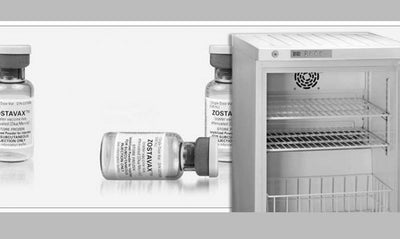
Reliable cooling units are vital for holding stock before it gets loaded onto trucks. These freezers must have alarms to warn staff if the power fails or the door stays open. High-quality medical-grade refrigeration provides the precise control needed to keep sensitive biopesticides alive and well.
- Insulated Packaging Solutions
Heavy-duty coolers and thermal blankets protect jugs from spikes in outside heat. Even a few hours on a hot loading dock can kill a large percentage of the population. Thermal-controlled shipping containers act as a buffer against the unpredictable weather found during long-haul transport.
- Real-Time Data Logging
Small sensors placed inside shipping crates track the temperature every minute of the trip. This data proves to the farmer that the product stayed within a safe range. Using temperature monitoring devices builds trust and ensures that only potent, living microbes are applied to crops.
- Rapid Delivery Networks
Reducing the time spent in a truck lowers the chance of something going wrong. Shortening the supply chain helps keep the organisms fresh and ready to work. Direct-to-farm distribution models bypass extra warehouses where climate control might not be as strict or reliable.
- End-User Storage Education
Farmers need to know that these products cannot sit in a hot shed all summer. Providing clear instructions on how to store the jugs keeps the microbes effective until the day of application. Proper on-farm biological storage is the final step in maintaining the strength of the product.
Industry Standards and Statistics
The Canadian AgTech sector is a leader in setting rules for biological safety and efficacy. According to Statistics Canada, the use of "green" inputs has grown significantly as growers look for ways to meet export standards. The Canadian Food Inspection Agency (CFIA) oversees the registration of microbial supplements under the Fertilizers Act. This ensures that any product sold to a farmer actually contains the live cells listed on the label.
The Fertilizer Safety Section of the CFIA requires strict data on the "shelf life" of these organisms. They demand proof that the beneficial soil fungi or bacteria can survive the typical Canadian climate during transport. Recent reports suggest that the biological crop protection market in North America will continue to grow at a rate of nearly 15% each year. This growth puts pressure on labs to improve their preservation of microbial viability to avoid wasting product.
Cultivating the Future of Sustainable Farming
Maintaining the health of microbes is the most important part of the AgTech revolution. Without strong preservation and clean lab habits, these living tools cannot do their jobs. High-quality cooling and storage are not optional; they are the backbone of the entire industry. Protecting the life within the bottle ensures that the "Green Revolution 2.0" remains a success for years to come.
Investing in the right equipment ensures that your biological products remain potent from the lab to the soil. For the most reliable storage solutions and expert advice on keeping your samples safe, reach out to the professionals. To find the best laboratory freezers and cooling tools for your needs, 360 Degree Medical, contact at 1-800-209-2082.




Leave a comment