 Skip to content


2026–27 Flu Season: A Vaccine Refrigerator Readiness Checklist for Pharmacies and Clinics
As influenza season approaches, the most useful cold-chain preparation is practical: confirm that your storage space, temperature records, and response plan are ready before vaccine deliveries increase. The Public Health Agency of Canada's 2026–27 seasonal influenza guidance underscores the importance of annual immunization. For pharmacies and clinics, that makes reliable storage and clear staff routines especially timely.
This checklist focuses on day-to-day readiness. Follow each product's monograph and your provincial or local public health direction where requirements differ.
1. Confirm the refrigerator is ready for the expected inventory
Estimate incoming doses and check that your dedicated vaccine refrigerator has enough usable shelf space without crowding air circulation. The Canadian Immunization Guide calls for a unit that maintains required temperatures, accommodates seasonal inventory, has a calibrated temperature-monitoring device, and is used only for vaccines. A purpose-built vaccine refrigerator is the standard for large inventories.
Check the door seal, power connection, alarm settings, and service history before the busy period. If the unit cannot reliably maintain the required conditions, resolve the issue before adding stock.
2. Verify the monitoring routine
For refrigerated vaccines, the Canadian Immunization Guide specifies a storage range of +2°C to +8°C, subject to product-specific instructions. It recommends recording the current, minimum, and maximum refrigerator temperatures twice daily, at the start and end of the workday. Confirm who records the readings, who reviews unusual values, and where logs are kept.
Check that staff understand the monitor and its reset procedure. A display showing a normal current temperature does not, by itself, explain whether the unit went outside range overnight; minimum and maximum readings help reveal that history.
3. Make receiving and stock rotation predictable
Assign a trained primary vaccine lead and a backup. Before deliveries arrive, decide who will receive them, check their condition, and move them promptly into approved storage. Keep vaccines in their original packaging for protection from light and damage. Organize stock so that earlier expiry dates are easiest to use, and review inventory and expiry dates regularly.
Leave room for deliveries without placing vaccine in the door or against areas prone to temperature extremes. Avoid storing food or biological specimens in a vaccine refrigerator.
4. Rehearse the temperature-excursion plan
Make sure the team can locate a written response plan, an alternate monitored storage location, and the contact details for the local public health office or vaccine supplier. If a cold-chain break is suspected, the Canadian Immunization Guide advises separating and marking affected stock “DO NOT USE”, continuing appropriate storage, documenting the incident and temperature history, and seeking direction before use or disposal. Do not assume that an exposed vaccine must be discarded or that it is safe to administer.
A quick pre-season huddle
Ask the team to answer four questions: Is there enough monitored storage capacity? Are temperature readings assigned and reviewed? Who handles vaccine deliveries when the lead is away? Where will stock go if the refrigerator fails? If any answer is uncertain, address it before the season becomes busy.
Need to evaluate capacity or replace a unit? Explore medical and pharmacy refrigerators and match the equipment to your inventory, monitoring needs, available space, and local public health requirements.
Sources
- Public Health Agency of Canada, 2026–27 seasonal influenza guidance summary
- Canadian Immunization Guide, storage and handling of immunizing agents
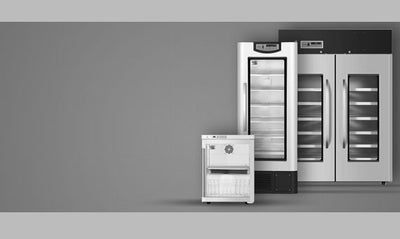
Header image is an AI-generated illustration. This article is general information for healthcare operations; follow applicable public health guidance and vaccine-specific instructions.



Leave a comment