 Skip to content


Why GTA Veterinary Clinics Are Upgrading to Medical-Grade Refrigeration

Many veterinary practices started with standard, consumer-grade kitchen fridges in their breakrooms or labs. But as veterinary medicine advances, the tech keeping it safe has to change too. This history of using domestic appliances is giving way to better standards because the modern veterinary clinic handles far more complex biological materials than it did in the past.
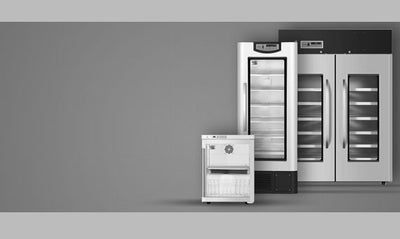
A noticeable shift across Toronto, Mississauga, Vaughan, and the broader GTA toward purpose-built veterinary laboratory refrigerators is happening right now. Local animal hospitals realize that old cooling methods cannot handle modern medical storage. Upgrading to medical-grade units isn't an unnecessary luxury—it is a critical step to safeguard costly biologics, secure diagnostic sample integrity, and meet evolving professional standards.
Why Household Fridges Fail the Veterinary Lab Test
Domestic refrigerators are engineered for groceries, not expensive pharmaceuticals. They rely on basic on-off compressors that cause wide temperature swings, which directly compromises vaccine storage safety. When a consumer fridge door opens, the cold air escapes rapidly, and the unit takes a long time to recover its baseline temperature. These household models often feature auto-defrost cycles that intentionally raise internal temperatures to melt ice buildup, creating a dangerous environment for delicate products.
- Uneven Temperature Distribution: Domestic models suffer from severe internal climate variations, where the top shelves might stay too warm while the back wall or bottom crisper drawers drop below freezing. This unevenness puts sensitive biological products at risk of accidental freezing or heat spoilage.
- Poor Thermal Recovery Speeds: Every time a veterinary technician opens a household fridge door to grab a treatment, the internal environment destabilizes. Standard consumer units lack the powerful, high-speed displacement compressors required to pull the temperature back down to safe levels quickly.
- Absence of Safety Alarms: Consumer appliances operate silently when things go wrong, offering no warning signs during a mechanical breakdown. Without integrated audio and visual alert systems, a clinic might only realize a cooling failure occurred after an entire inventory has been ruined overnight.
- Inadequate Internal Air Circulation: Kitchen fridges rely on passive air movement rather than forced-air systems. When veterinary staff pack these units tightly with stock, air channels become blocked, leading to localized hot spots that destroy the potency of nearby medications.
The Diagnostic Advantage of Laboratory Fridges

Accurate laboratory testing requires total environmental consistency from collection to analysis. For most refrigerated veterinary items, this means maintaining a strict zone between 2°C and 8°C. This constant environment protects blood samples, biopsy tissues, and bacterial cultures from degrading before they reach the testing phase.
- Preservation of Sample Viability: High-performance laboratory fridges for vets prevent the cellular breakdown of blood, urine, and fluid samples awaiting courier transport to central labs. This preservation ensures that local clinicians receive accurate diagnostic data without needing to recall the animal for a stressful re-draw.
- Consistent Reagent Integrity: In-clinic diagnostic test kits for conditions like heartworm, Lyme disease, and feline leukaemia rely on highly sensitive chemical reagents. Even a short period of exposure to unstable temperatures can yield false-negative or false-positive outcomes, disrupting patient care.
- Microbial Culture Protection: Maintaining stable conditions is essential when incubating or storing specific microbiological samples on-site. Sudden drops or spikes in the internal climate can kill fragile pathogens, resulting in incomplete cultures and delayed treatment plans for sick patients.
- Precise Digital Climate Controls: Unlike a vague manual dial found in a home fridge, medical cold chain storage units utilize microprocessor controllers that allow staff to set exact temperatures to the decimal point, minimizing human error and maximizing sample safety.
- Elimination of Cold-Spot Damage: Specialized forced-air routing ensures that cold air never blows directly onto sensitive materials. This setup eliminates the risk of sample crystallization, which occurs frequently when tubes are placed near the cooling vents of a home fridge.
Return on Investment: Why the Upgrade Pays for Itself
Financial security is a major factor driving the adoption of pharmaceutical grade refrigerators across Ontario. A single cooling failure in an old breakroom fridge can instantly erase those profits. By investing in dedicated reliable clinic refrigeration, local businesses insulate themselves against inventory loss while enhancing their professional reputation.
- Prevention of Critical Stock Loss: Replacing a single batch of ruined canine core vaccines or feline leukaemia doses can cost thousands of dollars out of pocket. A medical unit pays for itself by preventing just one catastrophic temperature event over its long operational lifespan.
-
Streamlined CVO Regulatory Compliance: The CVO requires regular temperature logging for accredited facilities. Modern medical-grade refrigeration systems include built-in min/max temperature tracking and data loggers, reducing the manual labour hours staff spend filling out physical paper clipboards every morning.

- Extended Mechanical Operational Lifespan: Commercial medical units are engineered for high-frequency use in demanding clinical environments. Their heavy-duty compressors and robust door seals outlast domestic appliances by several years, lowering long-term maintenance and replacement costs.
- Minimized Patient Recall Costs: When a cold chain failure occurs unobserved, clinics face the expensive nightmare of contacting clients to bring their pets back in for repeat injections. Avoiding these awkward conversations protects the practice from reputational damage and lost client trust.
- Enhanced Energy Usage Efficiency: Purpose-built veterinary laboratory refrigerators feature high-density insulation and precise fan systems that optimize power consumption. These units maintain their internal environment efficiently, lowering monthly utility bills for the facility.
The transition toward medical-grade storage systems represents a necessary evolution for veterinary medicine across the Greater Toronto Area. Relying on domestic appliances exposes a business to severe inventory losses, diagnostic errors, and potential regulatory infractions. Upgrading to a dedicated scientific unit protects vulnerable biologics, keeps diagnostic testing accurate, and ensures the clinic meets the high professional standards demanded by modern veterinary authorities.
Investing in dependable equipment is an investment in the health of your patients and the financial security of your business. To protect your inventory with advanced cooling technology designed specifically for clinical environments, contact the industry specialists. Reach out to 360 Degree Medical, contact us at 1-800-209-2082 to find the ideal storage solution for your veterinary practice today.



Leave a comment