 Skip to content


The Pharmaceutical Guide to Managing Temperature Excursions

A single degree of deviation can mean the difference between a life-saving treatment and hazardous waste. Maintaining a strict environment is the most critical factor in preserving the molecular integrity of modern medicine. A temperature excursion occurs whenever a product is exposed to conditions outside of its specified storage requirements for any length of time. This guide outlines the technical requirements for handling these events within a regulated framework.
Stability in pharmaceuticals relies on consistent thermal ranges to prevent chemical degradation. When cold chain management fails, the risk to patient safety increases because the medication may lose its potency or become toxic. Proper documentation and immediate intervention help facilities maintain compliance with Health Canada standards. Understanding the mechanics of heat transfer and molecular biology allows staff to protect inventory and reduce financial loss during equipment failures.
What is a Temperature Excursion?
A temperature excursion refers to any event where a pharmaceutical product deviates from the storage temperature range listed on its approved label. This includes both upward spikes in heat and downward drops toward freezing. These incidents are often tracked by digital data loggers that record environmental fluctuations in real-time. In the context of the pharmaceutical supply chain, even a brief departure from the 2°C to 8°C range for biologics requires a formal investigation to determine if the product remains fit for human use.
Impacts of Temperature Excursions
Thermal instability triggers a cascade of physical and chemical changes that compromise the efficacy of medicinal products. Health Canada’s GUI-0069 emphasizes that the stability of temperature-sensitive drugs is non-negotiable for public safety. The following points detail how deviations affect various formulations.
-
Denaturation of Proteins
Biologics and vaccines consist of complex protein structures that unfold when exposed to heat. This process, known as denaturation, renders the treatment ineffective. Once the three-dimensional shape of a protein changes, it can no longer bind to target receptors in the body, wasting the medicine.
-
Reduced Shelf Life
Each hour spent outside of the validated range accelerates the natural degradation process. Chemical reactions occur faster at higher temperatures, meaning a product scheduled to last two years might expire in weeks. This drug degradation requires a complete reassessment of the remaining expiry date for safety.
-
Formation of Toxic By-products
Heat can cause chemical ingredients to break down into new, unintended substances. These impurities may cause adverse reactions in patients that were not present in the original formulation. Managing pharmaceutical storage conditions is therefore a matter of preventing chemical contamination through heat-induced decomposition.
-
Physical Separation of Emulsions
Many liquid medications rely on a delicate balance of oil and water. Extreme temperatures can cause these mixtures to separate or "crack," making it impossible to deliver a consistent dose. Even if the active ingredient survives, the physical delivery system of the drug is ruined.
-
Loss of Vaccine Potency
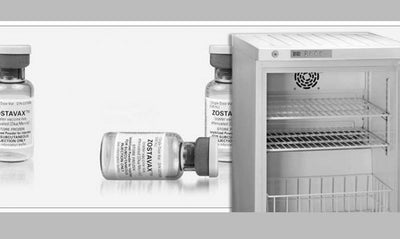
Vaccines are particularly susceptible to freezing or excessive heat, which destroys their ability to generate an immune response. This leads to "apparent" vaccinations where patients believe they are protected but remain vulnerable to disease. Strict vaccine fridge monitoring is required to prevent these silent failures.
-
Compromised Container Integrity
Fluctuating temperatures cause materials like glass and plastic to expand and contract. This stress can create microscopic cracks in vials or cause stoppers to lose their seal. Once the sterile barrier is broken, the product is at risk of bacterial growth and must be destroyed.
-
Regulatory Non-Compliance
Failing to maintain a controlled environment violates the Food and Drugs Act. Facilities that cannot prove consistent thermal mapping and storage records face heavy fines or the loss of their operating licences. It creates a legal liability that outweighs the cost of preventative measures.
Immediate Response: The "First 30 Minutes"

The actions taken immediately following the detection of a deviation determine whether a batch can be saved. Prompt temperature monitoring alerts should trigger a pre-defined protocol to isolate the affected goods and stop further damage.
-
Move Products to Backup Storage
Relocate all affected inventory to a secondary, validated refrigerator or freezer that is functioning correctly. Do not guess the temperature of the new location; verify it with a calibrated thermometer before moving items. This stops the thermal excursion and prevents further exposure to improper conditions.
-
Label and Quarantine Inventory
Clearly mark the affected boxes with "DO NOT USE" or "QUARANTINED" signs to prevent accidental dispensing. Physical separation is necessary to ensure no staff member gives a potentially compromised drug to a patient. This quarantine protocol must remain in place until a final decision is made.
-
Download and Secure Data
Extract the data from the digital logger or monitoring system to see exactly how long the deviation lasted. Save the digital file and print a hard copy for the permanent record. Accurate temperature data analysis is the only way to prove the extent of the event.
-
Notify the Quality Assurance Lead
Inform the person responsible for quality control so they can begin the formal reporting process. Internal policies usually require a written notification within minutes of the event being identified. This ensures that the corrective and preventive actions (CAPA) process begins according to official guidelines.
Root Cause Analysis: Common Root Causes
Identifying why a failure occurred prevents the same issue from repeating. Using a root cause analysis approach helps managers distinguish between a one-time accident and a systemic weakness in their infrastructure.
-
Mechanical Equipment Failure
Compressors, fans, and thermostats eventually wear out and fail to maintain the set point. Regular maintenance schedules often catch these issues before they become critical, but mechanical parts are unpredictable. Older units are more prone to refrigerator malfunctions that lead to unexpected temperature spikes.
-
Power Supply Interruptions
Grid failures, blown fuses, or accidental unplugging of equipment can cut power to cooling systems. Without a battery backup or an auto-start generator, the internal temperature will begin to rise immediately. Backup power systems are essential for any facility storing high-value, sensitive pharmaceutical inventory.
-
Human Error and Procedure Gaps
Staff may leave a fridge door ajar or fail to return products to the cold chain quickly after a delivery. Inadequate training on SOPs for temperature management often leads to these avoidable mistakes. Consistent education and clear signage reduce the likelihood of personnel-driven excursions during daily tasks.
-
Inadequate Thermal Mapping
Some areas of a fridge may be naturally colder or warmer than others due to airflow patterns. If sensors are placed in "hot spots," they may not reflect the true environment of the medicine. Proper temperature mapping identifies these zones to ensure products are stored in safe locations.
Risk Assessment & Disposition
Once the data is collected, the manufacturer or a qualified pharmacist must decide if the product is still safe. This drug stability assessment relies on published data and the specific duration of the heat or cold exposure.
-
Consult Stability Data Sheets
Check the manufacturer’s "Time out of Storage" (TOS) data to see if the product can tolerate the recorded deviation. Some drugs are tested to withstand short periods at room temperature without losing efficacy. This stability testing information is the primary tool for making a safe disposition.
-
Evaluate Cumulative Exposure
Consider whether this product has been involved in previous excursions, as heat damage is often additive. Two small deviations might be just as harmful as one large spike. Tracking the total time out of refrigeration throughout the product's life is a requirement for accuracy.
-
Verify Regulatory Standards
Compare the event data against Health Canada’s GUI-0069 or provincial pharmacy board requirements. Regulations often dictate a specific threshold for reporting and disposal that must be followed regardless of internal opinions. Following Canadian cold chain regulations ensures the facility stays within the law.
Prevention: Hardening Your Supply Chain

Proactive measures are more cost-effective than losing an entire pallet of expensive biologics. A "hardened" pharmaceutical supply chain uses redundant systems and high-quality hardware to minimize the chance of environmental failure.
-
Install Redundant Monitoring Systems
Use two independent sensors to monitor the same space so that a single sensor failure does not leave you blind. If one device stops working, the second provides the necessary temperature logs to verify the environment. Redundancy is the foundation of a reliable and trustworthy monitoring strategy.
-
Schedule Routine Preventative Maintenance
Hire technicians to inspect cooling coils, seals, and motors at least twice a year. Replacing a worn part before it breaks is much cheaper than a total equipment replacement and the loss of stock. Preventative maintenance keeps equipment running within its original performance specifications.
-
Implement Cloud-Based Alerting
Use systems that send phone calls or text messages to multiple staff members when a deviation starts. Relying on a local buzzer is ineffective if the building is empty during a weekend or holiday. Remote temperature monitoring provides 24/7 oversight and allows for faster intervention.
-
Invest in Medical-Grade Refrigeration
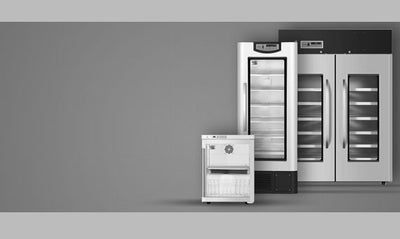
Domestic fridges are not designed for the tight tolerances required by the pharmaceutical industry. Purpose-built medical refrigerators have better airflow, more accurate thermostats, and faster recovery times after the door is opened. They provide a more stable environment for sensitive vaccines and insulin.
Managing temperature excursions is a technical discipline that requires precision, honesty, and quick action. By following a structured response and maintaining high-quality equipment, facilities can protect their patients and their bottom line. Every deviation is an opportunity to improve the system and ensure that the next event is prevented through better infrastructure and training. Safety in the pharmaceutical world is built on the foundation of a stable environment.
Maintaining the integrity of your cold chain is easier when you have the right tools and support. For professional assistance in securing your facility and ensuring your storage meets all regulatory requirements, reach out to the team at 360 Degree Medical, contact at 1-800-209-2082. Our focus is helping you maintain a compliant and safe environment for all your sensitive inventory needs.



Leave a comment