 Skip to content


9 Best Practices for Storing Vaccines in a Laboratory Refrigerator

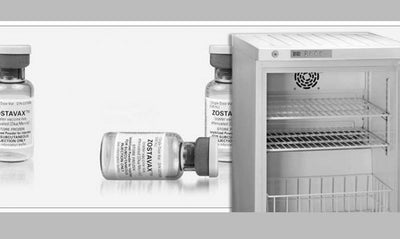
Vaccines must remain within a narrow temperature range to stay safe and effective. Even small temperature changes can weaken the active ingredients and reduce their ability to protect patients. For this reason, laboratories and medical facilities rely on a laboratory refrigerator designed to maintain stable conditions and protect sensitive materials.
Proper storage is part of maintaining the vaccine cold chain. If vaccines are stored incorrectly, their potency may drop before they are used. By following clear procedures and using the right equipment, laboratories can keep vaccines stable and ready for use.
Why Proper Vaccine Storage Matters
Vaccines contain delicate biological materials that can lose strength when exposed to the wrong temperature. Even a short period outside the recommended range may damage the product. This can make vaccines less effective when administered.
Proper storage protects both patients and healthcare providers. If a vaccine loses potency, it may not provide the expected immune response. As a result, maintaining correct storage conditions supports reliable immunization programs and reduces waste.
In addition, many health authorities require strict documentation of vaccine storage practices. Laboratories must maintain records that show vaccines were kept within the correct temperature range. Following proper storage procedures helps organizations meet regulatory requirements while protecting public health.
Temperature Guidelines Required for Safe Vaccine Storage
 Most vaccines must be stored between 2°C and 8°C to remain stable. This narrow temperature range keeps the active ingredients effective while preventing damage caused by freezing or overheating. Maintaining this range is one of the most important parts of vaccine management.
Temperatures that drop below freezing can permanently damage some vaccines. When this happens, the vaccine may look normal but no longer work as intended. Likewise, excessive heat can weaken vaccine components and reduce their protective effect.
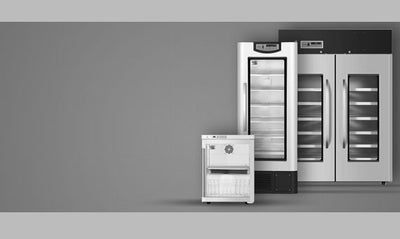
A laboratory refrigerator is designed to maintain consistent temperatures throughout the storage area. Unlike household refrigerators, laboratory units use advanced airflow systems and precise controls. These features help keep vaccines within the correct range at all times.
Key Vaccine Storage Practices for Laboratory Refrigerators
Proper vaccine storage requires more than simply placing vials in a refrigerator. Laboratories must follow clear procedures to keep temperatures stable, maintain organization, and prevent accidental damage. The following practices help ensure vaccines remain safe, effective, and ready for use throughout their storage period.
- Maintain the Recommended Temperature Range
Maintaining the correct temperature range is the foundation of proper vaccine storage. A laboratory refrigerator should keep vaccines between 2°C and 8°C at all times. This range protects the vaccine’s biological components and ensures they remain effective.
Temperature should be checked regularly throughout the day. Staff should review readings to confirm that the refrigerator remains stable during normal operation. If temperatures move outside the safe range, immediate action helps prevent vaccine loss.
Proper placement of vaccines also helps maintain the correct temperature. For example, vaccines should not touch the back wall or cooling vents because these areas can become too cold. Keeping items away from these zones prevents accidental freezing.
- Use Purpose-Built Laboratory Refrigerators
Not all refrigerators provide the level of control needed for vaccine storage. Household units often experience uneven temperatures, especially when the door opens frequently. These fluctuations can affect the quality of stored vaccines.
A laboratory refrigerator is built specifically for medical and research environments. It distributes cold air evenly across shelves, which reduces temperature variation. This design ensures vaccines remain within the recommended range regardless of their position inside the unit.
Additionally, laboratory-grade refrigerators include more precise temperature controls. These controls allow staff to monitor conditions closely and adjust settings when needed. As a result, vaccines remain protected throughout their storage period.
- Install Continuous Temperature Monitoring Systems
Monitoring temperature continuously helps laboratories detect problems early. Digital monitoring systems track temperature levels throughout the day and record data automatically. This information provides a clear record of storage conditions.
Many monitoring systems also include alarm features. If the temperature moves outside the safe range, the system sends alerts to staff immediately. This quick notification allows corrective action before vaccines are damaged.
Continuous monitoring also supports regulatory compliance. Health authorities often require temperature logs for inspections and audits. Automated systems simplify recordkeeping and reduce the chance of missing critical data.
- Organize Vaccines Properly Inside the Refrigerator
Organization plays an important role in maintaining stable storage conditions. Vaccines should be placed in labelled containers or bins to keep different products separate. This makes it easier for staff to locate items quickly without searching through the refrigerator.
Adequate spacing between containers allows cold air to circulate freely. When airflow moves evenly throughout the unit, temperatures remain stable across all shelves. As a result, vaccines stay within the recommended range.
In addition, laboratories should follow the first-expiry-first-out (FEFO) method. This approach ensures vaccines with the earliest expiration dates are used first. Proper organization reduces waste and helps staff maintain accurate inventory.
- Avoid Overloading the Refrigerator
A crowded refrigerator can interfere with proper air circulation. When shelves are packed tightly, cold air cannot move freely around the stored items. This creates uneven temperature zones inside the unit.
Overloading can also slow the refrigerator’s ability to recover after the door is opened. As a result, the internal temperature may remain outside the recommended range longer than expected. Limiting storage to the recommended capacity prevents this problem.
Maintaining organized shelf spacing helps keep the refrigerator working efficiently. Staff should review storage levels regularly and remove expired products promptly. This simple habit supports stable storage conditions.
- Minimize Door Openings
Every time the refrigerator door opens, warm air enters the unit. This brief exposure can raise the internal temperature and disrupt the cold environment needed for vaccines. Frequent openings increase the risk of temperature fluctuations.
To reduce this risk, staff should plan access carefully. Gathering needed supplies before opening the refrigerator helps shorten the time the door stays open. Over time, this habit improves temperature stability.
Clear organization also helps limit door openings. When vaccines are easy to find, staff can retrieve them quickly. This small change protects the internal temperature and reduces stress on the equipment.
- Perform Routine Calibration and Maintenance
Regular calibration ensures temperature readings remain accurate. Over time, sensors and monitoring devices may drift slightly from their original settings. Routine calibration corrects these changes and keeps measurements reliable.
Maintenance also helps keep the laboratory refrigerator operating efficiently. Cleaning condenser coils, checking door seals, and inspecting airflow systems prevent common performance issues. These tasks reduce the risk of sudden equipment failure.
Documenting calibration and maintenance activities is equally important. Detailed records show that equipment is functioning properly. They also help laboratories demonstrate compliance during inspections.
- Implement Backup Power and Emergency Plans
Power interruptions can place stored vaccines at risk. Without electricity, refrigerator temperatures can rise quickly. Having a backup plan protects vaccines during unexpected outages.
Many facilities install backup generators to maintain refrigeration during power loss. Others maintain alternative storage units that can be used in emergencies. These solutions ensure vaccines remain within the safe temperature range.
Emergency protocols also help staff respond quickly. Clear instructions guide employees on how to transfer vaccines, monitor temperatures, and document the event. Preparation reduces confusion during critical situations.
- Train Staff on Vaccine Storage Protocols
Even the best equipment cannot replace proper training. Staff members must understand how to handle vaccines and monitor storage conditions correctly. Clear training ensures that everyone follows the same procedures.
 Training programs often include temperature monitoring, inventory management, and emergency response. Employees learn how to identify warning signs and take action if problems occur. This knowledge protects vaccines from preventable damage.
Regular refresher training keeps staff informed about updated guidelines. As regulations evolve, laboratories must adjust their practices accordingly. Ongoing education helps maintain consistent and safe storage procedures.
Support Reliable Vaccine Storage with 360 Degree Medical Laboratory Refrigerator Solutions
Accurate vaccine storage starts with dependable equipment, and 360 Degree Medical provides trusted refrigeration solutions for laboratories and healthcare facilities handling temperature-sensitive materials. A high-quality laboratory refrigerator helps maintain stable temperatures, protect vaccine potency, and support safe medical practices. Call now at 1-800-209-2082 speak with a knowledgeable team member about the right refrigeration system for your facility.



Leave a comment