 Skip to content


How to Meet Toronto Public Health Cold Chain Standards Without the Stress

Managing temperature-sensitive biologics in Ontario involves constant vigilance, and the pressure of an unexpected Toronto Public Health inspection often induces anxiety for local clinical administrators. The safety of public health hinges on the absolute potency of every stored dose, meaning oversight is strict and margins for error are non-existent.
A central problem is that domestic or commercial retail fridges frequently fail to meet rigid provincial preservation parameters, resulting in failed audits and expensive, wasted inventory. Healthcare providers can bypass these structural issues by investing in purpose-built laboratory refrigerators and adopting a proactive, automated tracking framework. This guide details the essential municipal regulations and converts complex criteria into a simple, stress-free strategy for your clinic.
Toronto Public Health Cold Chain Requirements
The Ontario Ministry of Health establishes rigid frameworks that local public health units enforce across the Greater Toronto Area. Every facility housing publicly funded biologics must satisfy specific structural and operational milestones during annual assessments. Failing to meet these rules can trigger an immediate suspension of vaccine delivery privileges.
- Precise Thermal Range Maintenance: Facilities must keep their storage systems between +2.0°C and +8.0°C continuously. Exposure to temperatures outside this narrow window compromises biological activity, rendering the products useless. Staff must monitor these levels using calibrated digital data loggers rather than basic dial thermometers.
- Twice Daily Manual Documentation: Staff must review and manually record current, minimum, and maximum temperatures at the start and end of each business day. This logbook acts as official evidence during random health unit inspections. It proves that no hidden thermal shifts occurred between operational shifts.
- Dedicated Cold Storage Prohibitions: Regulations strictly forbid the storage of food, beverages, or clinical specimens inside biological refrigerators. Mixing personal items with medicine increases door openings and causes sudden thermal spikes. It also introduces cross-contamination risks that violate strict infection control guidelines.
- Proper Electrical Outlet Protections: Refrigerator power cords must plug directly into a dedicated wall outlet that is physically secure. Toronto Public Health inspectors require visible warning signs or protective outlet cages at the plug site. This simple intervention prevents cleaning personnel from accidentally disconnecting the appliance.
Step-by-Step Laboratory Setup for Flawless Audits

Achieving total compliance during a sudden inspection requires upgrading your clinical infrastructure. Moving away from standard household appliances prevents unexpected temperature variations and safeguards your medical inventory. A methodical setup keeps your facility prepared for any official review.
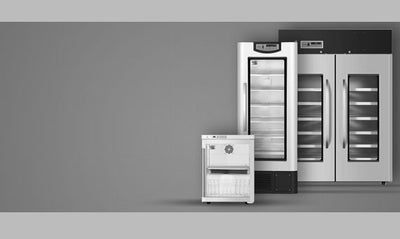
- Install Purpose Built Medical Refrigerators: Standard household kitchen units cannot maintain uniform temperatures because they rely on basic, intermittent cooling cycles. Medical-grade equipment utilizes forced-air circulation systems to distribute uniform cooling across every single internal shelf. This engineering eliminates dangerous cold pockets that accidentally freeze delicate inventory.
- Position Thermometer Probes Centre Shelf: Always place your data logger sensor directly in the middle of the storage cabinet. Do not let the probe touch the back wall, floor, or side panels, as these areas stay much colder. Keeping the sensor surrounded by biological stock gives an accurate picture of actual product conditions.
- Organize Stock to Allow Airflow: Avoid crowding boxes tightly on shelves because blocked air channels lead to localized heating. Leave clear spaces between packages so the fan can move air freely throughout the chamber. Keep all stock in original boxes to defend materials from ambient light degradation.
- Equip Physical Door Latching Systems: A door left slightly open by a distracted worker can ruin a full batch of medicine within minutes. Install heavy-duty magnetic seals or physical Velcro latches to ensure the door closes securely after every access event. This physical barrier stops warm room air from leaking into the cold chamber.
- Mount Secondary Backup Power Sources: Severe weather can disrupt municipal electrical grids without warning. Connect your cooling systems to an uninterruptible power supply or automated backup generator to maintain constant operation. This electrical safety net ensures cold storage continuity during extensive local power outages.
- Calibrate Data Loggers Annually: Toronto Public Health inspectors require official, documented proof of equipment accuracy. Facilities must send tracking tools to an accredited laboratory for regular diagnostic testing and recalibration. Keeping up-to-date certificates on file demonstrates operational precision during unannounced clinical audits.
- Post Visible Daily Temperature Logs: Hang physical charting sheets directly on the exterior door of the appliance. Workers use these forms to record mandatory manual readings every morning and evening. Having these documents highly visible reminds staff of daily duties and proves consistent monitoring to inspectors.
Creating a Bulletproof Cold Chain Contingency Plan
Power grid failures, severe weather events, and equipment malfunctions can happen without warning in urban environments. Ontario guidelines mandate that every registered immunization provider possess a detailed, written emergency protocol. This document must remain highly visible to all active employees.
- Secure Alternative Storage Agreements: Clinics must establish formal backup agreements with nearby pharmacies, hospitals, or alternative public health partners. If your primary cooling machine breaks down, you need an immediate place to move your stock. This pre-arranged destination prevents total inventory loss during prolonged blackouts.
- Maintain Pre Conditioned Transport Coolers: Keep hard-sided insulated coolers and appropriate gel packs on-site for emergency mobilization. Staff must know how to properly layer insulating barriers so biological items never touch frozen ice packs directly. This setup maintains the required temperature range during transit across the city.
- Train Staff on Exposure Reporting: Employees must know exactly how to handle a thermal breakdown event. If an excursion happens, workers must isolate affected stock in a separate bag marked as wastage. They must contact Toronto Public Health immediately and avoid discarding products until official testing confirms potency.
-
Run Regular Emergency Drills: Reviewing your crisis plan once a year helps identify operational gaps before a real emergency happens. Test your team on how quickly they can pack transit coolers and log data during a simulated power failure. Regular practice builds confidence and cuts down on panic when real systems fail.

Peace of Mind for Your Next TPH Inspection
Achieving total compliance with Toronto Public Health requirements does not have to be a source of administrative anxiety. Transitioning from basic consumer appliances to automated, medical-grade hardware removes human error from the equation. This operational shift protects your practice from costly product losses and ensures your facility remains ready for unexpected health unit inspections at any time.
Investing in high-performance equipment safeguards your professional reputation and protects the community members who rely on your biological supplies. For expert guidance on finding the perfect medical grade refrigerator or vaccine storage solution for your office, reach out to industry specialists. To secure certified tools designed for local compliance, contact 360 Degree Medical at 1-800-209-2082.



Leave a comment